Jaw pain can sneak up in ways that are easy to overlook. It might start as a dull ache while chewing or a clicking sound you only notice when yawning. Maybe it's morning headaches or a stiff jaw in the evening. Many people in Livonia deal with these kinds of discomfort without knowing that they could be signs of something called TMD.
TMD stands for temporomandibular joint disorder. It affects how your jaw moves and feels, and it involves more than just the jaw itself. Muscles, joints, and habits all play a part. Because of that, figuring out what's going on and what can help often takes more than guesswork. That's where learning about TMD treatment options in Livonia can help, especially if you're wondering what next steps might look like.
What Is TMD and Why Does It Happen?
The temporomandibular joint (or TMJ) is the hinge that connects your jaw to your skull. It's what lets you talk, chew, laugh, and yawn. TMD is the name used when that joint isn't working quite right, and it can show up in different ways.
Some signs are easier to notice than others. You might feel pain in your jaw, hear it pop when you open wide, or feel like it gets stuck in one position. It can be sharp pain or a steady ache, depending on the cause and how long it's been going on.
Several things can lead to TMD. These might include:
- Muscle overuse from grinding or clenching your teeth
- Stress, which can make those habits worse
- An injury that caused the jaw to shift or become irritated
- Your bite being slightly off, putting extra stress on one side
Everyone's jaw is a little different, which is why figuring out why it hurts can take a deeper look at your habits, history, and movement patterns.
Signs TMD Might Be Affecting Your Daily Life
Jaw pain isn't always just jaw pain. It can show up in small ways that don't always make sense at first. If eating, talking, or sleeping feels different than it used to, it might be time to look closer.
Here are some ways people often experience TMD in daily life:
- Trouble chewing harder foods or feeling tired after talking a lot
- A tight feeling in the cheeks, like your face is holding stress
- Pain around the ears or in your temples that mimics earaches or headaches
- Feeling like your jaw is locked or clicking when you open or close it
Some of these issues come and go. Others stick around or slowly build over time. The sooner you notice them, the easier it can be to catch what's really going on before it becomes more frustrating or harder to manage.
How a Dental Office Can Help Evaluate TMD
When jaw pain starts to affect your daily routine, checking in with someone who knows what to look for makes a big difference. A dental office is often a good place to begin.
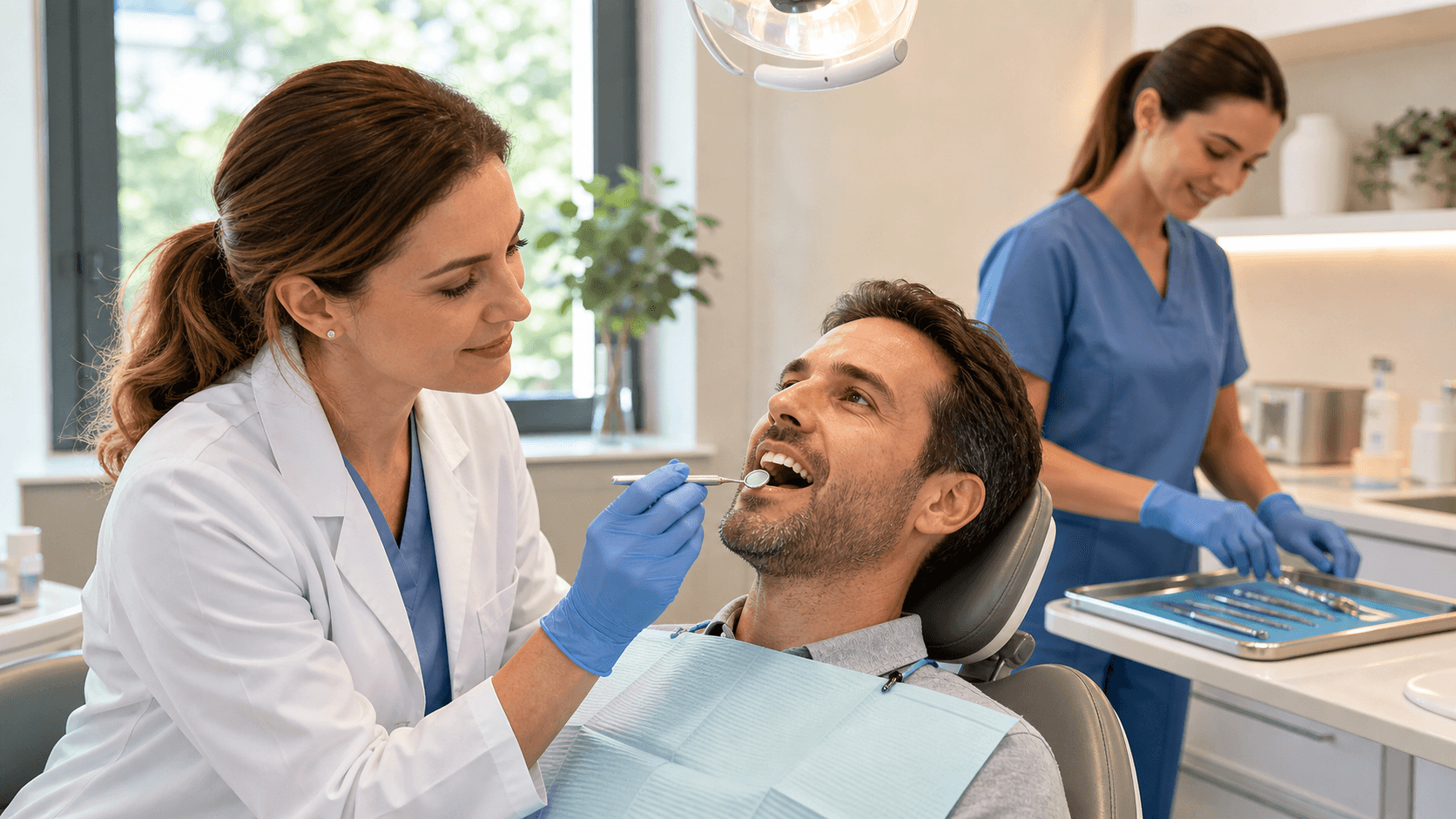
During a visit, we usually spend time asking questions about your symptoms, your bite, and any habits that might be making things worse. We'll gently check how your jaw moves and whether it shifts more on one side than the other. It's less about one test and more about putting the full picture together. At Todaro Dental, this evaluation can include reviewing your dental and medical history and looking for signs of tooth wear or bite changes that could be linked to grinding or clenching.
We may also check for signs of teeth grinding or clenching, which can be easy to miss if you're doing it in your sleep. No two situations are exactly the same, and that's why a visit often helps sort out what's happening, rather than trying to guess your way through it.
Common Ways TMD Can Be Managed
Depending on what's causing the discomfort, there are several ways to work toward relief. All of them focus on making everyday life easier, not just easing the pain in the moment.
Here are a few TMD treatment options in Livonia that may be considered after evaluation:
- Wearing a custom mouthguard at night to reduce teeth grinding
- Doing stretches or exercises shown by a professional to loosen jaw muscles
- Making small adjustments to how you eat or chew during flare-ups
- Watching daily habits, like posture or stress-related clenching
The right steps usually depend on what your body is telling us. That's why it's important to talk through what you're feeling and when, so the approach fits your needs. At Todaro Dental, we focus on conservative TMD therapy aimed at easing pain, reducing stiffness, and improving how your jaw moves day to day, so care can be tailored to your comfort and goals.
Simple Daily Habits That Could Support Jaw Comfort
Alongside professional guidance, some everyday routine changes may support how your jaw feels throughout the day. These habits don't replace treatment but can make things feel more manageable.
You might try:
- Eating softer foods when your jaw feels tight
- Avoiding gum or biting into anything too chewy or crunchy
- Resting your jaw when it feels sore instead of pushing through the discomfort
- Practicing small breathing or relaxing exercises throughout the day
Stress isn't always something we can remove. Still, we often carry it where we least expect it, like in our jaws or necks. By noticing those habits early, it becomes easier to take lighter steps that support your body without doing it alone.
Finding Relief and Staying Comfortable Over Time
Getting a better idea of why your jaw hurts is the first step to feeling more like yourself again. It's not just about fixing pain but about learning what triggers it, what helps manage it, and what you can do to avoid added stress on your jaw over time.
Jaw issues don't always fix themselves, but they can improve with the right kind of attention. By staying aware of the signs and getting support when needed, comfort becomes something you grow into, not just wait for. Taking that step can make daily life feel a little steadier and a lot more comfortable.
If jaw fatigue, clicking, or tightness has started getting in the way of everyday activities, we're here to help you make sense of it. These small but lasting signs often point to deeper patterns that can become easier to manage with proper support. We offer several options to address common concerns, including personalized approaches to meet different needs and habits. To see how we may assist with TMD treatment options in Livonia, contact Todaro Dental today.